Eden loves water, and we’re counting down to beach days. That love of water is exactly why safety comes first. Royal Life Saving research found autistic children and teenagers in Australia are about three times more likely to drown than other children, and most autism-related drowning deaths are of children under ten.
Is it summer yet? We’re counting the days until we can get back down to the beach.
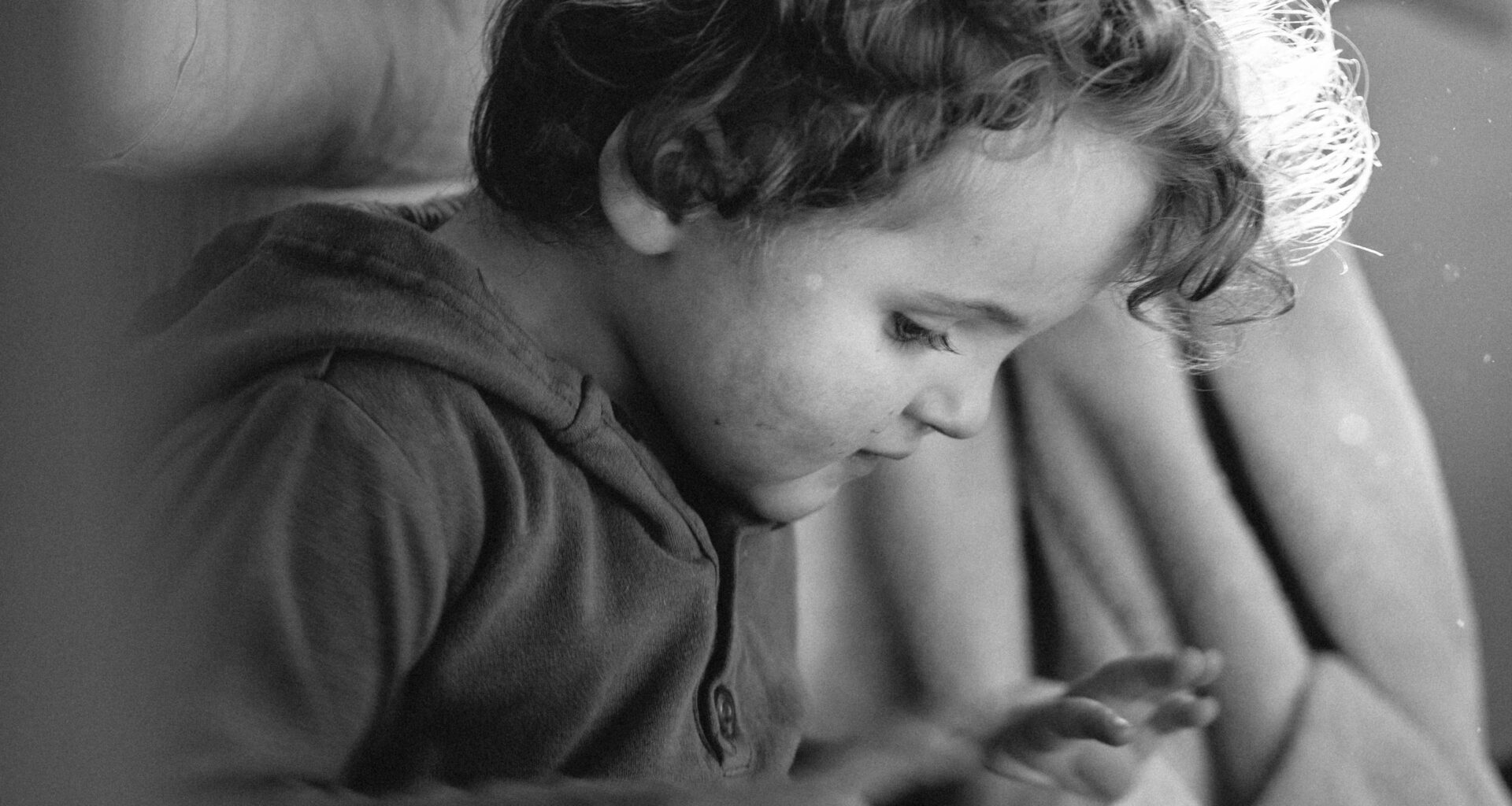
Eden loves water. It’s one of his favourite things in the world.
Why I also think about safety
That love of water is a gift, and it’s also the thing I watch most closely. Many autistic kids are drawn to water. Some don’t understand the danger, and some will wander off to get to it.
I don’t say that to scare anyone. I say it because the people who most need to know are often the ones who don’t live with autism: the neighbour with the pool, the friend hosting a barbecue by the river, the stranger at the beach who sees a kid on his own near the water.
What everyone should know
If you see a child on their own near water who doesn’t respond when you speak to them, stay with them and get help. Don’t assume someone else is watching.
Worth knowing
Autistic children and teenagers in Australia are about three times more likely to drown than those without autism.
Royal Life Saving, 2020of autism-related drowning deaths in Australia (2002–2018) were children aged 0 to 9.
Royal Life SavingRivers, creeks, lakes and dams were the most common places for autism-related drownings, not just pools and beaches.
Royal Life SavingWater safety for autistic kids
- Supervise, alwaysStay within arm’s reach in the water and keep constant eyes on them. Give one adult the job of watching.
- Restrict accessFence pools properly, lock gates and doors, and know the creeks, dams and drains near your home.
- TeachLook for swim teachers trained to work with autistic kids. Royal Life Saving and Aspect developed training for this.
- Be ready to respondLearn CPR. If a child goes missing, check water first.
Questions people ask
Are autistic children more at risk of drowning?
Yes. Royal Life Saving Australia research found autistic children and adolescents were about three times more likely to drown than those without autism, with the highest rates in young children.
How can I keep an autistic child safe at the beach?
Active, arm’s-length supervision by one dedicated adult, swimming between the flags, and never assuming they understand the danger. At home, fence pools and know where nearby water is.
Keep reading
Follow our story
If this meant something to you, the best thing you can do is subscribe and share it with someone who has never lived with autism. That is who I am making this for.
Sources
- Royal Life Saving Society – Australia, Autism spectrum disorder and drowning; Peden & Willcox-Pidgeon, Archives of Disease in Childhood, 2020.