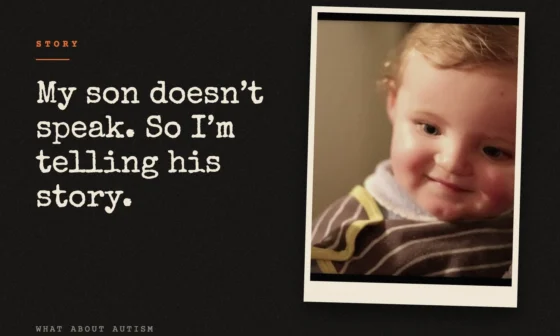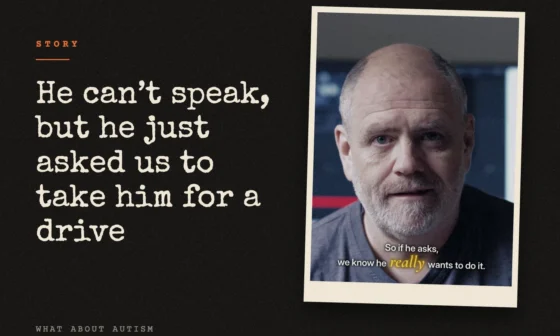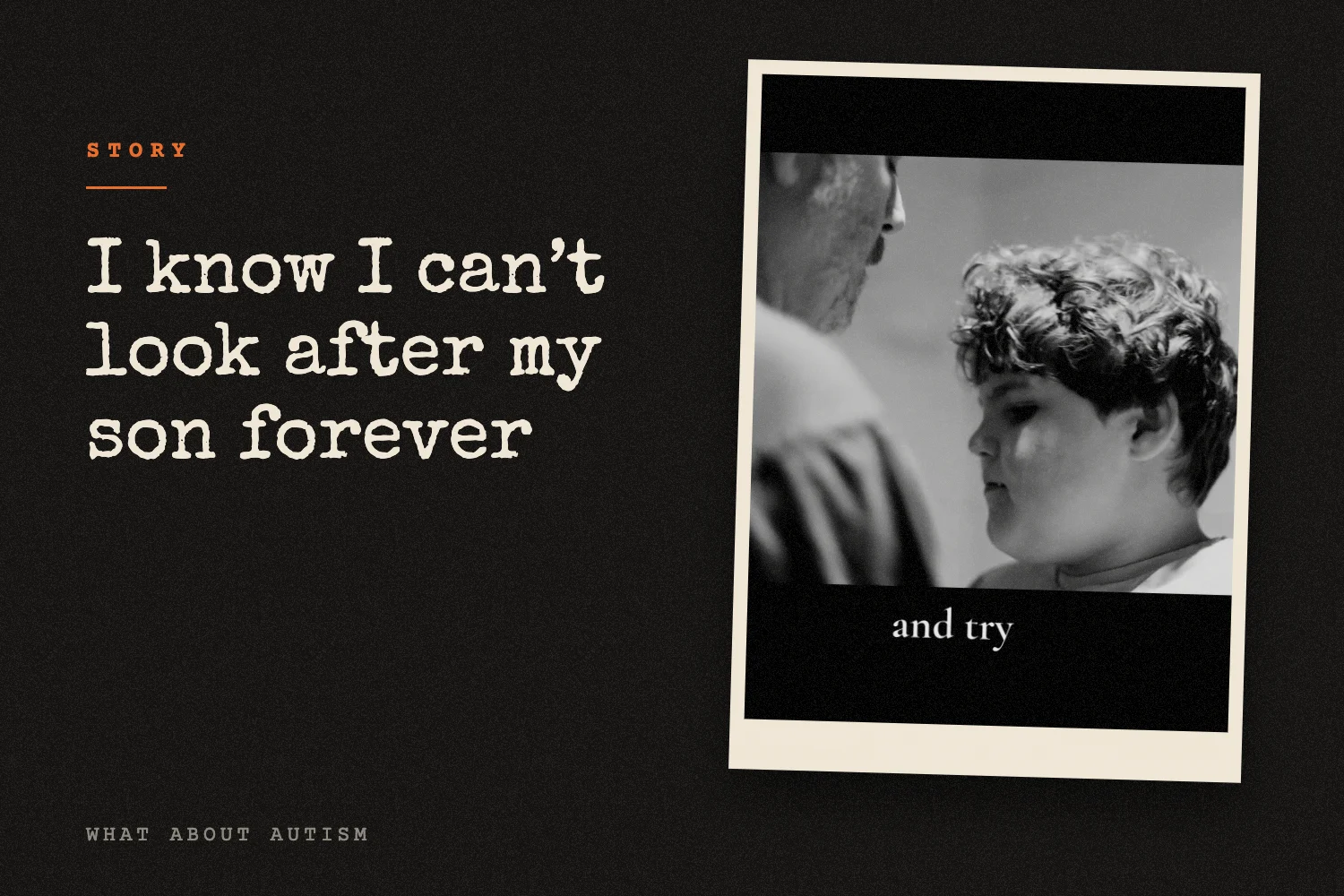
This is a normal night in our house: brushing the teeth of my 13-year-old son Eden, who is autistic, non-speaking and has sensory processing differences. It takes patience and a few hugs. It’s also when the question every carer of a high-needs child carries comes up: what happens when I can’t do this any more?
I know I can’t look after my son forever. But I’d give anything if I could.
A normal night
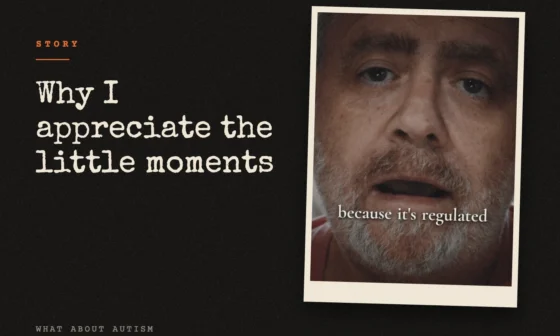
Teeth, then bed. That’s it. That’s the whole video.
For most families brushing a 13-year-old’s teeth isn’t a thing, because a 13-year-old does it himself. For Eden, a toothbrush in his mouth is a lot of sensation at once. So it takes patience, and a few hugs along the way. He seeks pressure, so a big tight squeeze helps.
And at the end, Eden laughing on the bed. That’s the bit I live for.
Who does what
Michelle usually does his teeth before school and I do nights. Whenever she’s working, I’m on call for everything Eden needs. Some days that’s exhausting. Most days it’s the best job in the world.
The question
Every parent of a child who will always need care lives with one question in the back of their head. Who does this when I’m gone?
I don’t have the answer yet. I’m not sure anyone does. That’s something this channel is going to look at, honestly, because families like ours need it talked about out loud.
Worth knowing
of primary carers of Australian children and young people with disability are their mum or dad.
ABS, 2022of those primary carers provide 20 or more hours of care every week.
ABS, 2022of carers rated their own health as good or excellent, compared with 46% of other Australians.
AIHW, 2025What helps us with teeth
- Same time, same orderPredictable routines make it easier. For us it’s teeth, then bed, every night.
- Patience and pressureHugs along the way. Eden likes deep pressure, so a firm squeeze settles him.
- Talk to your dentistAsk about sensory-friendly options and a dentist used to working with autistic kids.
Questions people ask
Why is brushing teeth hard for autistic children?
For a child with sensory processing differences, the brush, the taste of the toothpaste and having someone’s hand near their mouth can all be overwhelming at once.
What happens to autistic adults when their parents die?
It’s one of the biggest worries for families of people with high support needs. In Australia, supports may come through the NDIS, supported accommodation and guardianship arrangements, but many parents feel there’s no clear plan. It’s a question this channel will keep asking.
Keep reading
Follow our story
If this meant something to you, the best thing you can do is subscribe and share it with someone who has never lived with autism. That is who I am making this for.
Sources
- Australian Bureau of Statistics, Children and young people with disability, 2022 (released April 2025).
- Australian Institute of Health and Welfare, Informal carers (October 2025).