One night of silence to make the world listen.
A Day Without Words is an overnight event I’d love to run. From sunset to sunrise, people go without speaking, spelling, writing or texting. It doesn’t exist yet. This page is what I’m thinking, and I’ll keep adding to it as things change.
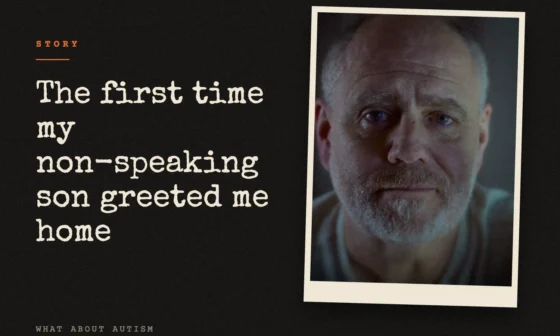
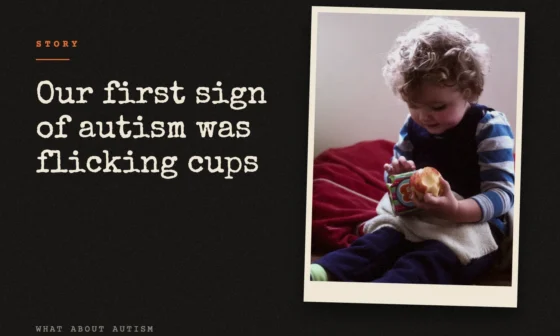
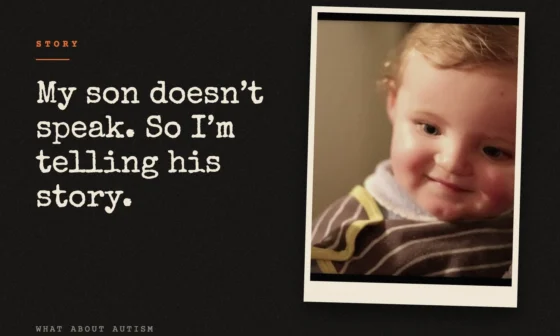
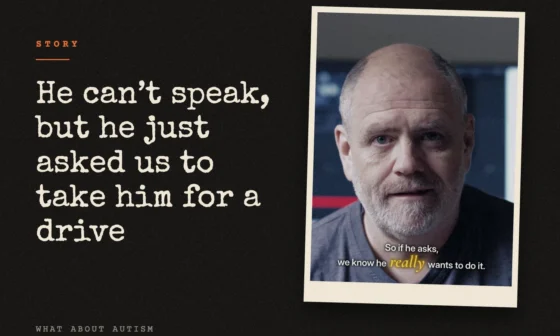
My son Eden doesn’t speak. Most people meet him, see that, and decide what’s going on inside his head. They usually get it wrong.
Somewhere along the way the world decided that if words don’t come out, nothing much is going on inside. Families like ours spend every day translating for our kids and pushing back on that idea. I could keep telling people what it’s like. I’d rather let them feel a bit of it themselves.
The argument, made physical.
Families, supporters and the simply curious spend one night together without speech. You can point. You can gesture. You can take someone’s hand and show them. That’s it.
Beside you all night are the people who never get to opt out: non-speaking autistic kids and adults, and the families who’ve learned to read them.
The goal isn’t to pretend one night equals a lifetime of being non-speaking. It’s to give people a physical glimpse of what happens when communicating gets hard, slow, frustrating and misunderstood, and depends on whether anyone is willing to wait.
You can
You can’t
How it would work.
Somewhere around 2am, when you can’t ask for water without three minutes of miming, it stops being an idea.
Who it’s for
Families living with non-speaking autism, plus friends, relatives, teachers, support workers, politicians, journalists and the general public. The people who think they already understand are the ones I most want in a sleeping bag.
Built around sensory dignity.
We’re not asking autistic people to survive an event designed for everyone else. It has to be built around sensory dignity from the start.
The Sensory Support Village isn’t a token quiet tent hidden behind the toilets. It’s a respected, mapped, staffed part of the event, and it tells every family the same thing: you don’t have to cope harder to belong here.
Low sound, low stimulation, soft seating, low lighting, calm staff.
Very low light, almost dark. Rest, shutdown recovery, weighted blankets, quiet mats.
For sensory seekers needing movement, colour, safe energy. Rocking, bouncing, active regulation.
Weighted blankets, crash mats, compression, beanbags, deep pressure tools.
Visual boards, AAC supports, gesture cards, help maps. Staff trained to wait, not rush.
Private spaces for medication, tube feeding, changing, distress support, parent decompression.
Seizures, medication, medical equipment, complex disability support, emergency response.
Quieter camping area — more space, lower lighting, easier access to support and vehicles.
Plus a marked Speaking Zone, where silence can be broken for safety or anything that can’t wait.
What people should carry home.
Empathy you can’t get from a video. Watching a video about silence is one thing. Lying in the dark unable to tell your child everything is okay is another.
Visibility without pity. Non-speaking people are often the least heard in the autism conversation. This puts them at the centre, as people already fluent in the language everyone else is struggling to learn.
Awareness that leads somewhere. Profound and high-support autism mostly gets left out of the feel-good version of autism awareness. People who’ve felt a bit of it are more likely to wait, watch and listen next time they meet a kid like Eden, and to back the support families need.
Where I’d love to do it.
These are dreams, not bookings. Nothing is confirmed and no venue has agreed to anything. They’re the places that came to mind first, for the size of crowd they could hold and for how the night could be filmed.
Taronga Zoo
Small. Filmed. Unforgettable.
An invitation-scale night with families, media and supporters. A silent night surrounded by animals who have never needed words. This is the one I picture when I close my eyes.
Sydney International Regatta Centre
Thousands of people. One silence.
A public sleepout at Penrith Lakes: open sky, black water, the Blue Mountains in the distance and sunrise over the course.
Other places that could work
Pavilions, a main arena and on-site camping. A serious practical option.
Less poetic, but strong on transport, parking, access and big-event know-how.
Big, green and central.
A launch hub, indoor wet-weather fallback and somewhere for families to stay nearby.
A smaller Central Coast pilot, close to home.
Why Western Sydney
Because that’s where so many families are. A night like this should start where the long car trips, the equipment, the siblings and the exhaustion are actually lived.
If it works in Sydney, other cities can follow.
Spend one night without them.
Politicians make their living from words. Question time, doorstops, talking points. The invitation isn’t just a request for support. It’s a dare.
Anyone who makes it to sunrise will understand more about non-speaking autism than a decade of briefings could give them. The same goes for anyone with a big audience: broadcasters, athletes, actors, musicians, comedians. Spend one night without words, then tell people what you learned.
Who would you love to see do it?
An actor, a musician, a sportsperson, a broadcaster, someone who’s been part of your community. Tell me who you’d love to see go a night without words, and why.
The first list goes up once nominations start coming in. Check back.
Names here are nominated by readers. They haven’t been invited and haven’t agreed to take part.
A World Without Words.
The episode makes the case. The night makes people feel it.
A Day Without Words would be documented as part of a What About Autism episode, A World Without Words. The episode carries the story: non-speaking autism, and what the world gets wrong about what’s inside. The night becomes its final act: the silence, the difficulty, the families, the support spaces, the public and the sunrise.
Start smaller: the No Words Challenge.
You don’t need an event to try it. Go without words for thirty minutes, through one dinner or on one trip to the shops. Notice what you couldn’t do.
Then remember that for some people it never ends. And to be clear, this isn’t the same thing. It’s only a glimpse.
Would you like to be involved?
This is still in planning, not a date on the calendar. I’d love to make it happen, and I can’t do it on my own.
- Venues. A park, showground or campground that could host a night outdoors.
- Councils and disability organisations who want to get behind it.
- Event, safety and first-aid people who know how to run a safe overnight.
- Sensory and communication specialists to help design the Sensory Support Village.
- Families of non-speaking kids and adults who’d want to take part.
- People with a following outside the disability world, willing to try it and talk about it.
Or message me on Facebook or Instagram and say “A Day Without Words”.
Support non-speakers, and realise they are so much more than what the world thinks they are, based only on what it sees.
Questions people ask
What is A Day Without Words?
An overnight autism awareness event proposed by Tim Brand of What About Autism. Participants go from sunset to sunrise without speaking, spelling, writing or texting, alongside non-speaking autistic people and their families.
When is A Day Without Words?
It hasn’t been scheduled yet. It’s in planning, and Tim is looking for people to help organise it.
Where will it be held?
Nothing is booked. Taronga Zoo and the Sydney International Regatta Centre are Tim’s dream venues, and Western Sydney is the preferred starting point.
Does one night show what being non-speaking is like?
No. A single night isn’t the same as a lifetime. It’s meant to give people a small, physical sense of how hard it is to communicate without words.
Can I nominate a famous person to take part?
Yes. Use the nomination form on this page. The most-nominated names are shared here from time to time. Being nominated doesn’t mean someone has been invited or agreed.
How can I help organise it?
Use the contact form at whataboutautism.com/contact and choose A Day Without Words, or message What About Autism on Facebook or Instagram.
Keep reading
Follow our story
If this meant something to you, the best thing you can do is subscribe and share it with someone who has never lived with autism. That is who I am making this for.