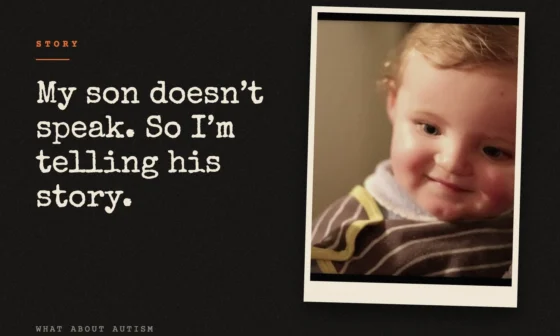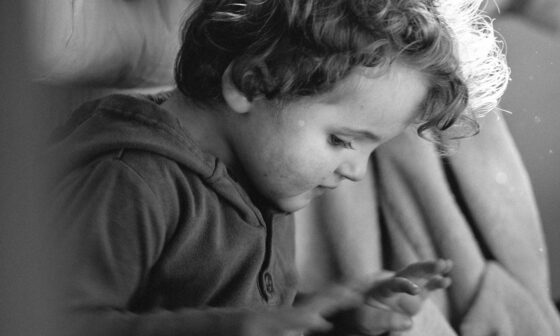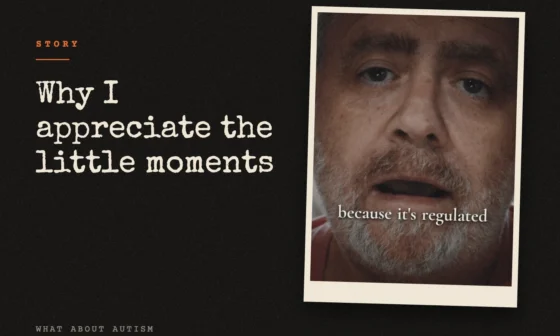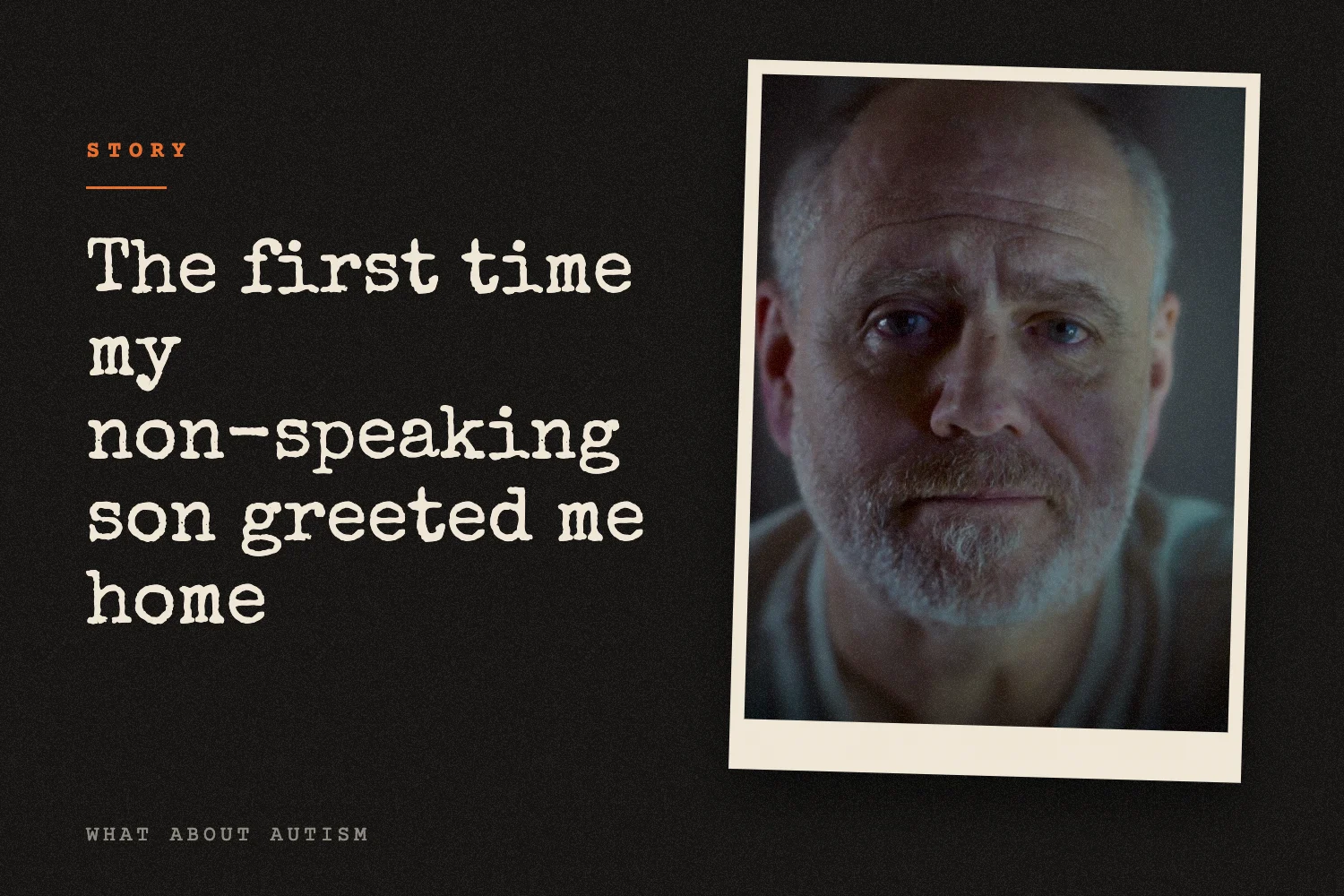
On Monday 21 October 2024, my son Eden, then 11, autistic and non-speaking, greeted me when he came home from school for the first time in his life. I asked, “Where’s my kiss hello, buddy?” and he laughed all the way across the room and jumped on me. It’s a small moment most parents get every day. We had waited eleven years for it.
Some moments you get for free as a parent. Your kid runs in the door, drops the bag, says hi. Nobody films it. Nobody thinks about it.
With Eden, nothing comes for free.
What happened
It was a Monday, 21 October 2024. Eden came through the front door like he always did and went straight to the kitchen. I was sitting in the living room, waiting. I called out, “Where’s my kiss hello, buddy?” I wasn’t expecting anything. I just wanted to see if he’d respond.
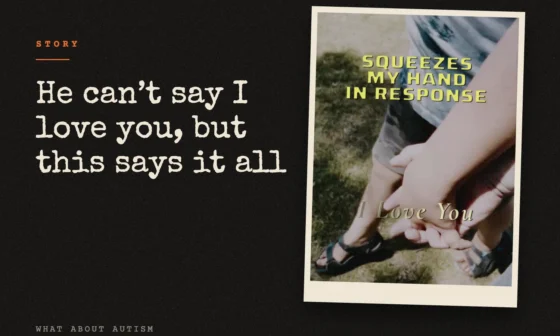
I heard him laugh straight away. He laughed and giggled the whole way over to me, then jumped on top of me, all seventy kilos of him, and wrapped me in the biggest hug. Then kisses. Eden doesn’t kiss the way most people do. He presses his face against yours. Hug after hug, kiss after kiss.
It caught me completely off guard.
When it’s something you’ve longed for and thought might never happen, it hits you differently.
Why something this small is this big
If you’ve never lived with non-speaking autism, it’s hard to explain how much a moment like this carries. Eden can’t tell me about his day. He can’t say “hi Dad”. So for eleven years, the greeting at the door didn’t exist. You stop expecting it. You don’t stop wanting it.
That afternoon he showed me he heard me, understood what I asked, and wanted to answer. That’s communication. It just doesn’t use words.
I soaked in every second, because I had no idea if it would ever happen again. It was my most beautiful moment of 2024.
What I’d ask of you
If you can, give your kids, your grandkids, anyone you care about, a big hug today and tell them what they mean to you. And if you meet a child who doesn’t speak, talk to them anyway. They may be hearing every word.
Worth knowing
of Australian children and young people with disability needed help with spoken communication in 2022.
ABS, 2022of non-speaking autistic teens and adults in a 2024 study responded to a letter task the way a literate person would. Most had never been formally taught to read.
Jaswal et al., 2024Many autistic kids show love in their own way: pressing faces, leaning in, deep-pressure hugs. Eden presses his face to yours. It counts.
Our experienceIf you meet a child who doesn’t speak
- Talk to them, not about themSay their name and speak to them directly, even if they don’t answer. Assume they understand.
- Give them timeAn answer might take a while, and it might be a sound, a look or a touch rather than a word.
- Don’t insist on eye contactMany autistic people listen better when they’re not made to look at you.
Questions people ask
What does non-verbal or non-speaking autism mean?
It means an autistic person doesn’t use spoken words to communicate, or uses very few. It does not mean they don’t understand. Eden communicates with his hands, his sounds, his face and by leading us to what he wants.
Do non-speaking autistic children understand what you say?
Many understand far more than people assume. A 2024 University of Virginia study found more than half of the non-speaking autistic people it tested responded like literate readers. Every person is different, so the safest approach is to assume understanding and speak to them as you would anyone else.
How old was Eden when this happened?
Eden was 11. He was diagnosed with autism at two and a half.
Keep reading
Follow our story
If this meant something to you, the best thing you can do is subscribe and share it with someone who has never lived with autism. That is who I am making this for.
Sources
- Australian Bureau of Statistics, Children and young people with disability, 2022 (released April 2025).
- Jaswal VK et al., Autism, 2024; University of Virginia, study reveals unexpected literacy in autistic people who cannot speak (March 2024).