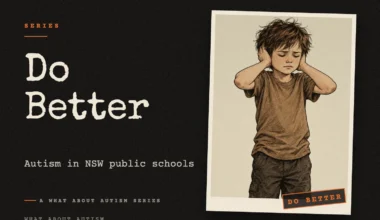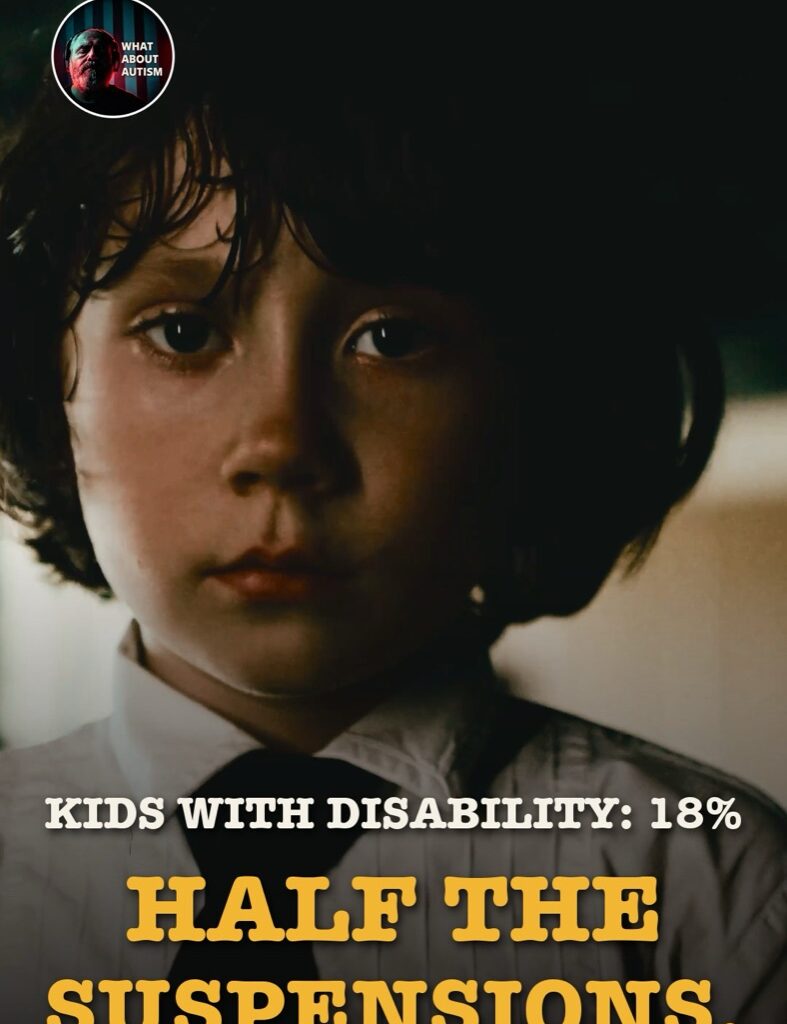
Do Better is my series on what a NSW parliamentary inquiry heard about kids with disability in our schools. Part two is about suspensions: a child suspended more than 10 times in three school terms for the same issue, a parent who lost their job, and the number that sums it up. In the first half of 2022, students with disability were 18% of enrolments in NSW government schools and half of all suspensions.
A child suspended more than 10 times in three school terms.
Same issue every time. An issue that came straight from their disability.
What the inquiry heard
In 2024 a NSW Legislative Council committee held an inquiry into children and young people with disability in NSW schools. Its report, Report 52, came out in August 2024.
One parent told the inquiry their child was suspended more than 10 times in three school terms, over the same issue, which was a direct result of their disability. Nothing changed after each suspension, so the cycle kept going. The parent said their son now sits in the “school refusal or school can’t” category.
Another parent, raising their child alone, lost their job after their primary school child had three suspensions for extended periods.
That’s Report 52, paragraphs 2.19 and 1.4. It’s evidence the committee heard, not a finding about any one school.
What a suspension actually does
Think about what a suspension is. The school sends your kid home, and somebody has to be there.
In our house, Eden can’t be left alone for a minute. Any day he can’t be at school is a day one of us doesn’t work. For a single parent, that can be the job.
And when the behaviour comes from the disability, sending a child home doesn’t teach them anything. Youth Law Australia told the inquiry that exclusionary discipline doesn’t give students the support they need to change, and can reinforce the very behaviour it’s meant to stop.
Why can’t we just do better?
That’s the question this series asks. Not who to blame, but: if we already know what helps a child like this, why does it keep not happening?
Report 52 put the numbers in front of the NSW Government in August 2024. This series is me reading it, one story at a time, and asking that question out loud.
The facts
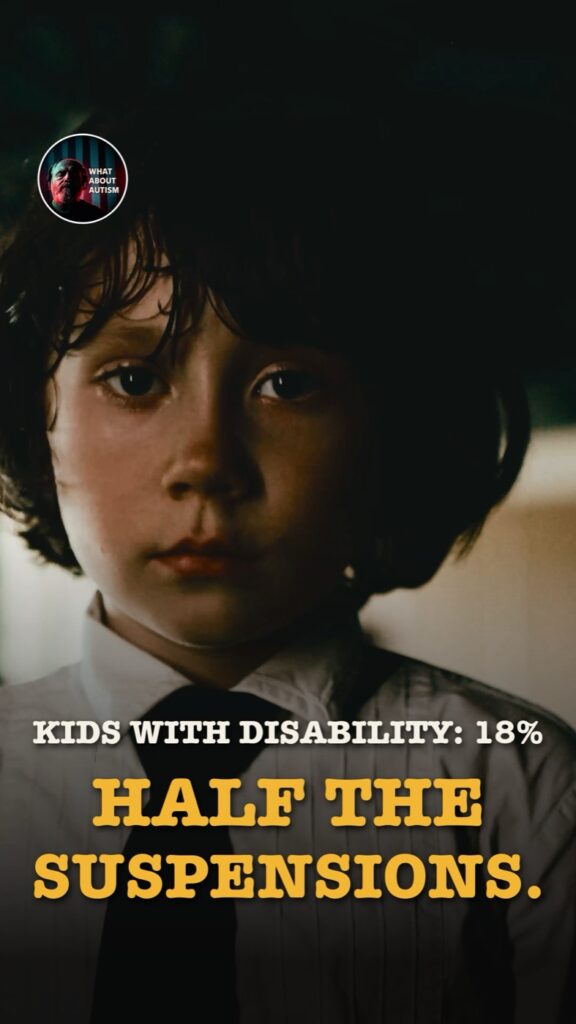
of suspensions in NSW government schools in semester 1, 2022 went to students with disability.
Report 52, para 2.50of enrolments in the same period were students with disability.
Report 52, para 2.50suspensions in three school terms, over the same issue, in one parent’s evidence.
Report 52, para 2.19Youth Law Australia has seen exclusionary discipline used on students with disability as young as five.
Report 52, para 2.13If your child is being suspended
- Get it in writing. Ask for the suspension, the reason and the dates in writing.
- Ask about the plan. Ask what support was in place before it happened, and whether it was followed.
- Ask for a return meeting. Ask for a return-to-school meeting and a written plan for what changes. Keep a simple log of dates and who you spoke to.
Questions people ask
What is Report 52?
Report 52 is the August 2024 report of the NSW Legislative Council inquiry into children and young people with disability in NSW educational settings. It made 28 recommendations.
Do students with disability get half of all suspensions in NSW?
Department of Education data cited to the inquiry showed that in semester 1 of 2022, students with disability were 18% of enrolments in NSW government schools but 50% of suspensions (Report 52, para 2.50).
Why don’t suspensions work for autistic kids?
If a behaviour comes from a disability, such as sensory overload, sending the child home doesn’t teach a new skill or fix the cause. Youth Law Australia told the inquiry that exclusionary discipline can reinforce the behaviour it’s meant to stop (Report 52, para 2.13).
Keep reading
Follow our story
If this meant something to you, the best thing you can do is subscribe and share it with someone who has never lived with autism. That is who I am making this for.
Stock footage, posed by models. The children shown are not Eden.
Sources
- NSW Legislative Council, Portfolio Committee No. 3 – Education, Report 52: Children and young people with disability in New South Wales educational settings (August 2024), paragraphs 1.4, 2.13, 2.19 and 2.50.